
Expanding into the United States is a major growth milestone for many brands. However, the great scale, geography, and high customer expectations of the US market mean that logistics can quickly become complex.
This is where choosing the right US 3PL partner becomes critical.
We’ll dive straight in with an overview of:
- US 3PL Locations – where should you start if you’re new, and
- Where should you expand if you’re an established brand growing your reach?
- The US 3PL market and Amazon’s role
- How do you compare pricing for US 3PL companies?
Further discussion:
- Top-rated 3PL Providers in the US and independent 3PL’s
- Types of US 3PL companies
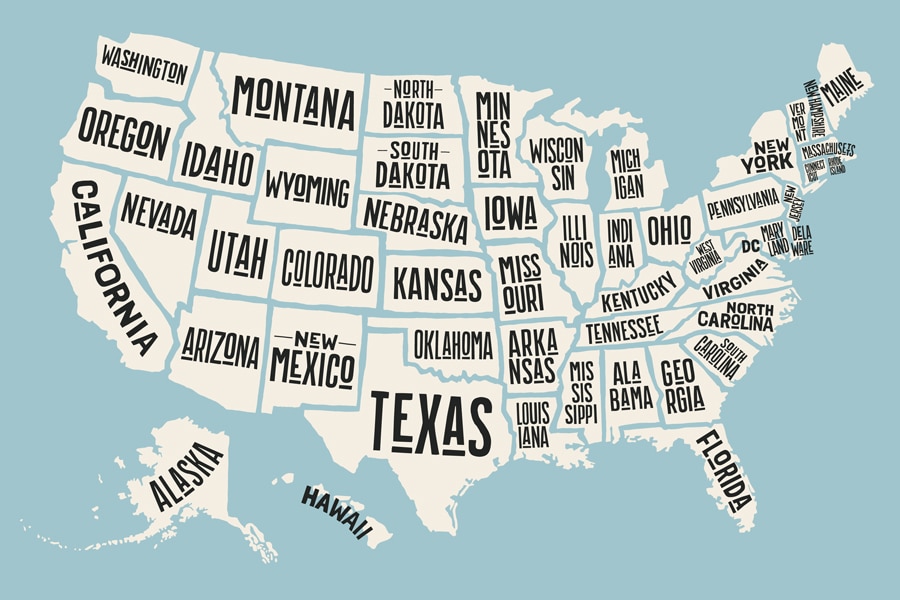
US City & Region Comparison: Where Should You Start?
If you are an international brand entering the US market for the first time, you need to get a foot in the door. Your initial strategy should focus on launching from a single, high-efficiency gateway.
A. Los Angeles / Sacramento (West Coast)
- Gateway for Asia-Pacific imports
- Ideal for brands shipping from Australia
- Strong ecommerce and same-day delivery networks
Best for: West Coast coverage and fast inbound freight from Asia-Pacific.
B. Dallas, Texas (South / Central US)
- Major logistics hub for the southern and central US
- Lower warehousing and labour costs compared to coastal cities
- Strong road, rail, and air freight connectivity
Best for: Cost-efficient distribution, fast access to southern states, and scalable multi-state expansion.
C. New Jersey / Pennsylvania (Mid-Atlantic / North-East)
- Strategic access to the Northeast without New York–level costs
- Proximity to major ports, interstates, and population centres
- Popular for large US 3PL warehouse operations and ecommerce fulfilment
Best for: East Coast coverage, high-volume fulfilment, and cost-effective alternatives to New Jersey or New York.
Key US 3PL Warehouse Considerations
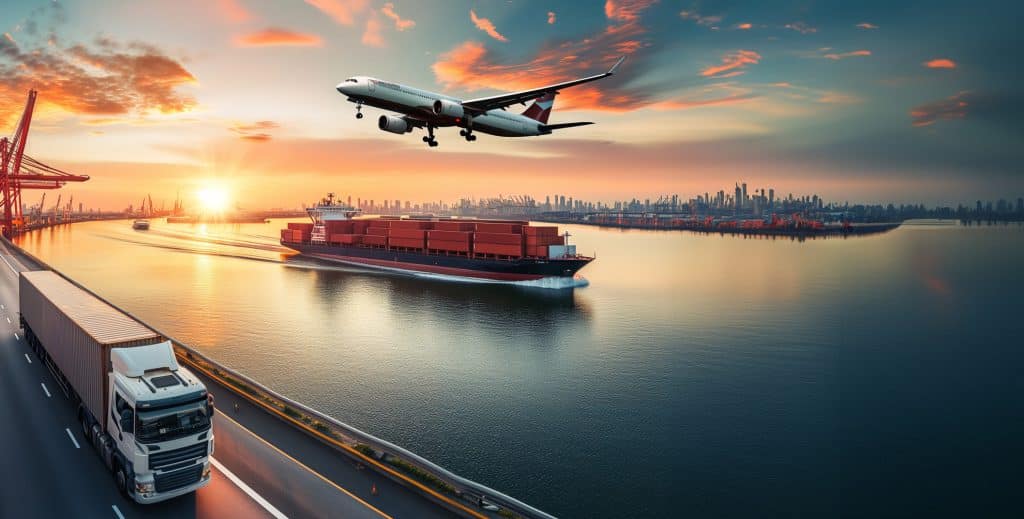
When selecting a US 3PL warehouse, location strategy is just as important as cost.
- Proximity to major customer populations
- Access to ports, airports, and interstates
- Ability to scale across additional cities
Warehouse placement has a direct impact on delivery speed, shipping costs, and customer satisfaction.
Get Advice
To ask advice from our 3PL Logistics experts, contact us here
Where should you extend your reach within the US?
If you are already operating within the United States and looking to expand your reach to more states – these five high-growth regions will improve last-mile transit times and reduce shipping costs.
3PL in Chicago / Midwest
- Central US distribution hub
- Excellent rail and road connectivity
- Cost-effective national reach
Best for: Balanced coast-to-coast delivery and scalable national expansion.
3PL in Oregon (Pacific Northwest Gateway)
- Efficient, less congested alternative to Southern California ports for Asia-Pacific imports
- Multi-modal connectivity via the Columbia River system and major interstates
- Rapidly expanding regional infrastructure
Best for: Seamless Pacific Northwest market coverage, Canadian transit access.
3PL in Missouri (The Heartland Intermodal Hub)
- Strategic “Center of the US” positioning for centralized inventory pooling
- Robust rail and freight connectivity via major hubs in St. Louis and Kansas City
- Highly competitive commercial real estate rates and low corporate overhead
Best for: Balanced nationwide distribution, industrial supply chain support, and scaling domestic operations with minimal overhead.
3PL in Indiana (The Crossroads of America)
- Top-tier national distribution footprint boasting more pass-through interstates than any other state
- Home to the world’s second-largest FedEx air hub and a robust international port system
- Business-friendly regulatory climate with localized supply chain talent
Best for: High-velocity next-day parcel delivery, Midwest retail distribution, and optimized regional freight routing.
3PL in Florida (The Southeast & LATAM Gateway)
- Direct, high-frequency ocean and air lanes, positioning it as the premier launchpad for Latin America and Caribbean trade
- Unrivaled multi-modal infrastructure serving a booming, high-density population
- Robust network of advanced cold-chain facilities and rapid fulfillment ecosystems
Best for: Capturing high-growth Southeast market, international nearshoring or Latin American expansion.
Get Advice
To ask advice from our 3PL Logistics experts, contact us here
US 3PL Market Overview
Robust Growth and Market Size
The United States remains one of the world’s largest and most dynamic third-party logistics (3PL) markets. Recent industry data shows that the US 3PL market:
- Generated USD 269+ million in revenue in 2025 and is forecast to grow steadily through the decade, with projected revenue approaching USD 469 million by 2033.
- The US makes up 21% of the global 3rd party logistics market in 2025.
Source: U.S. Third-party Logistics Market Size & Outlook by Grand View Research
Several macro trends support growth:
- Ongoing ecommerce expansion, especially ecommerce fulfilment and last-mile delivery roles that many 3PLs now provide.
- Shippers are increasingly outsourcing logistics to focus on core business functions, accelerating 3PL adoption.
- Investment in technology — from warehouse automation to AI-driven routing — modernising service offerings.
What is Amazon’s Role in the US Logistics Landscape?
Amazon has drastically reshaped logistics expectations and competition in the US:
- It has built one of the largest private delivery networks – delivering more parcels than FedEx or UPS – by investing in infrastructure, delivery stations, and last-mile networks.
- The “Amazon effect” has pushed 3PLs to modernise rapidly to meet expectations set by Amazon’s logistics model.
- Amazon’s logistics network sets high service expectations, so partnering with a 3PL capable of competing on speed, visibility, and cost is increasingly important.
- Many 3PL’s offer multi-carrier networks and platform integration capabilities that suit brands selling across multiple channels.
- A strong 3PL partner will prioritize your brand, rather than commoditizing a product within a category. It is in their interest to help build your brand.

How do you Compare Pricing for US 3PL Companies?
Pricing varies for each shipment, request a quote from a reputable 3PL in the area you are interested in.
Common US 3PL Pricing Components
▪️ Storage (per pallet, bin, or cubic foot)
▪️ Pick and pack fees
▪️ Inbound and outbound handling
▪️ Shipping and carrier costs
Hidden Costs to Watch For
▪️ Minimum volume commitments
▪️ Peak season surcharges
▪️ System integration or onboarding fees
When asking “How to compare pricing for US 3PL companies?”, ensure you evaluate total landed cost, not just headline rates.
Common Mistakes Brands Make When Choosing a US 3PL
Watch out for these pitfalls:
▪️ Selecting based on price alone
▪️ Underestimating US delivery expectations
▪️ Choosing a single-location provider with no expansion path
Think longer term and save the pain of operational disruption and the associated costs.
What to Look for Besides Price When Choosing a US 3PL Company:
▪️ Technology and system integrations
▪️ Inventory accuracy and reports
▪️ Experience and reviews/testimonials
▪️ Experience working with international brands
A lower-cost provider may not deliver the service consistency required in the US market.
Who are the top-rated 3PL Providers in the US?
The biggest Logistics Companies include JB Hunt, Kuehne & Nagel, Nippon Express Holdings, and DSV AS.
Top-rated US 3PL companies are usually defined by:
▪️ Service reliability
▪️ Technology capability
▪️ Scalability
▪️ Industry expertise
Rather than focusing only on rankings, brands should assess which provider aligns best with long-term growth plans.
Independent 3PL’s are owner-run and more inclined to take a personal interest in growing your brand.
Global 3PL Network
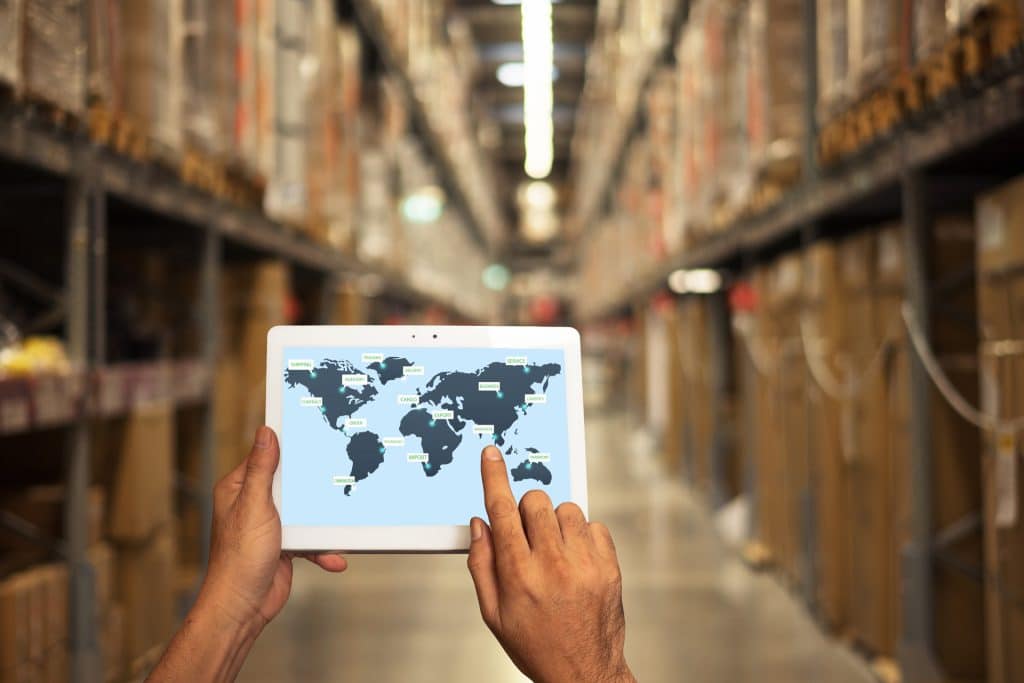
As a global network of independent, owner-led 3PL’s, we have on-the-ground experience with 3PL warehouses and can recommend a 3PL that’s best suited to your business needs.
To ask advice from our 3PL Logistics experts, contact us here